

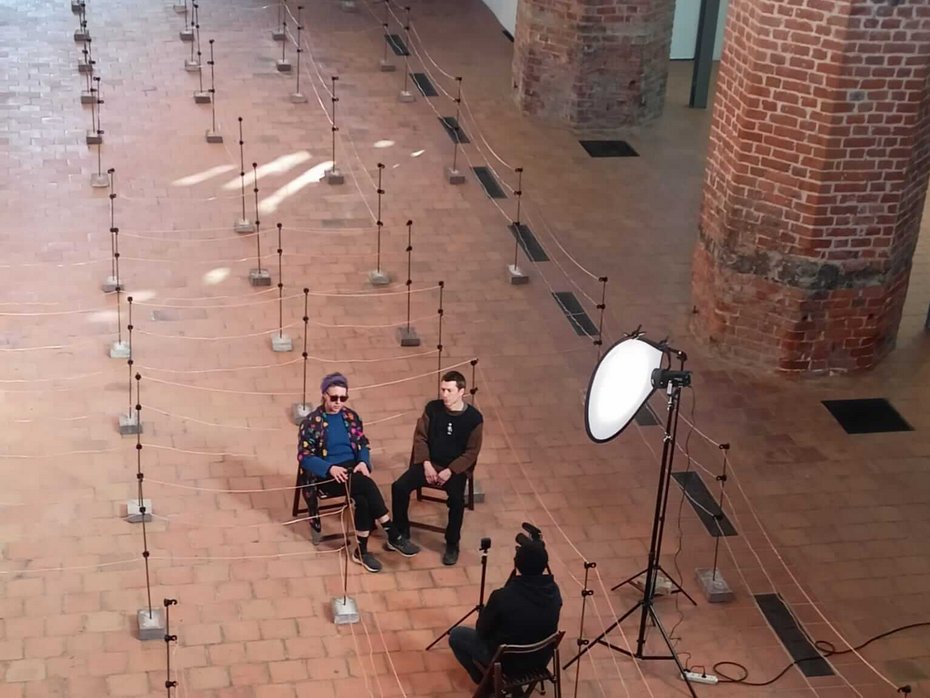
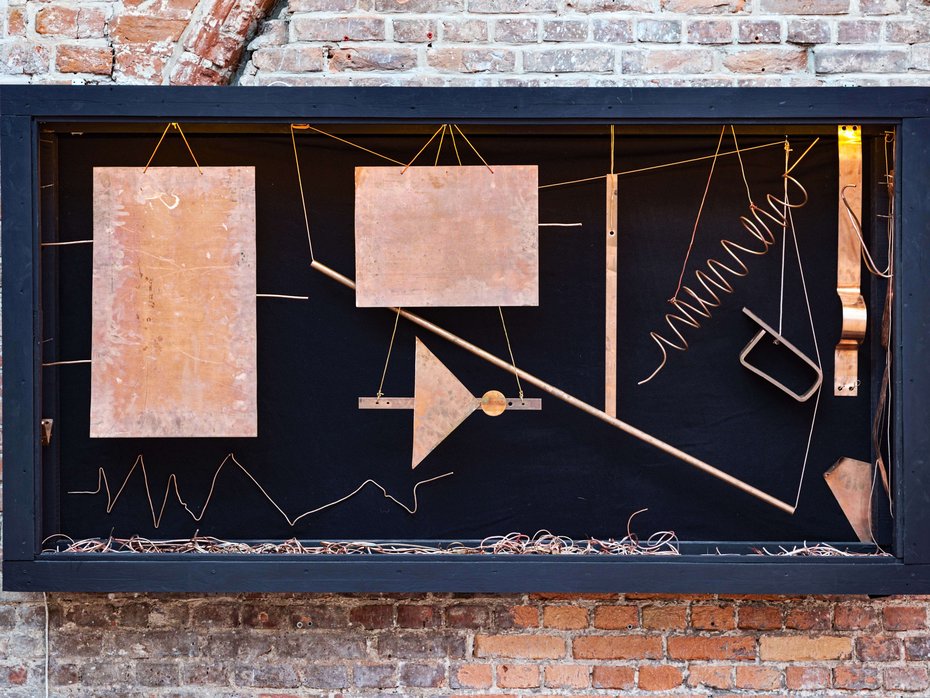
At the centre of the installation was a labyrinth made of copper cables, connected to electricity and arranged as a fragile spatial structure. The copper lines formed both a drawing in space and a charged infrastructure — a system of passages, limits and conductive paths. Visitors encountered the labyrinth not as a closed object, but as a field of negotiation: something to move around, listen to and sense through proximity.
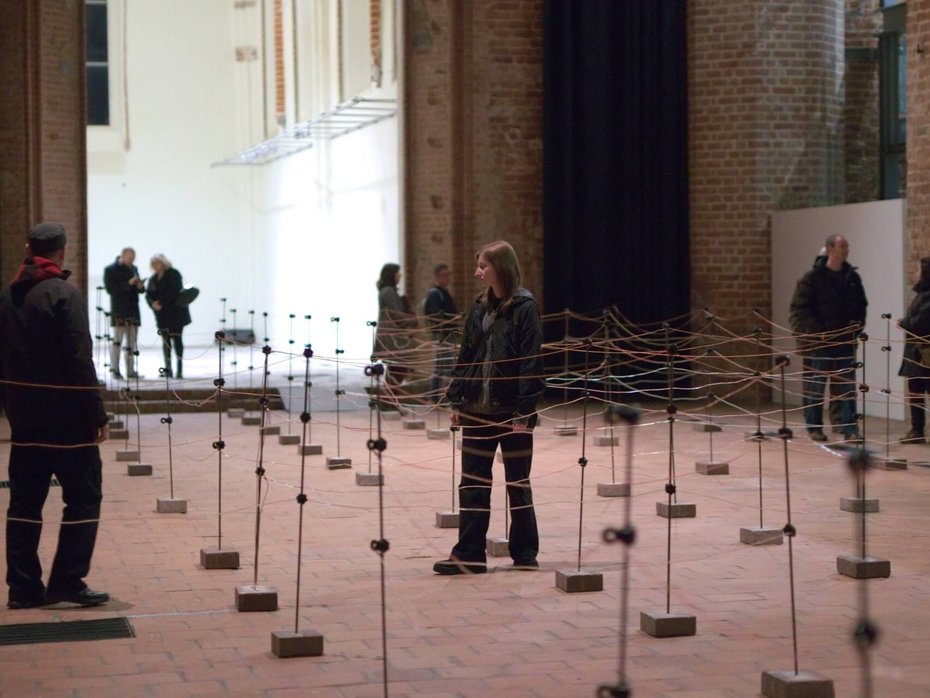
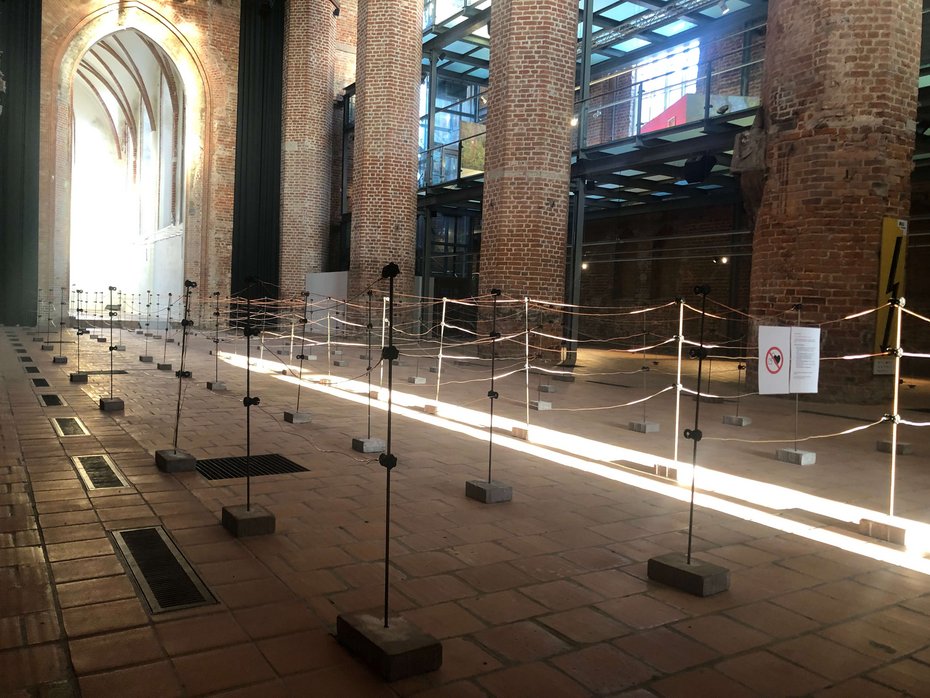
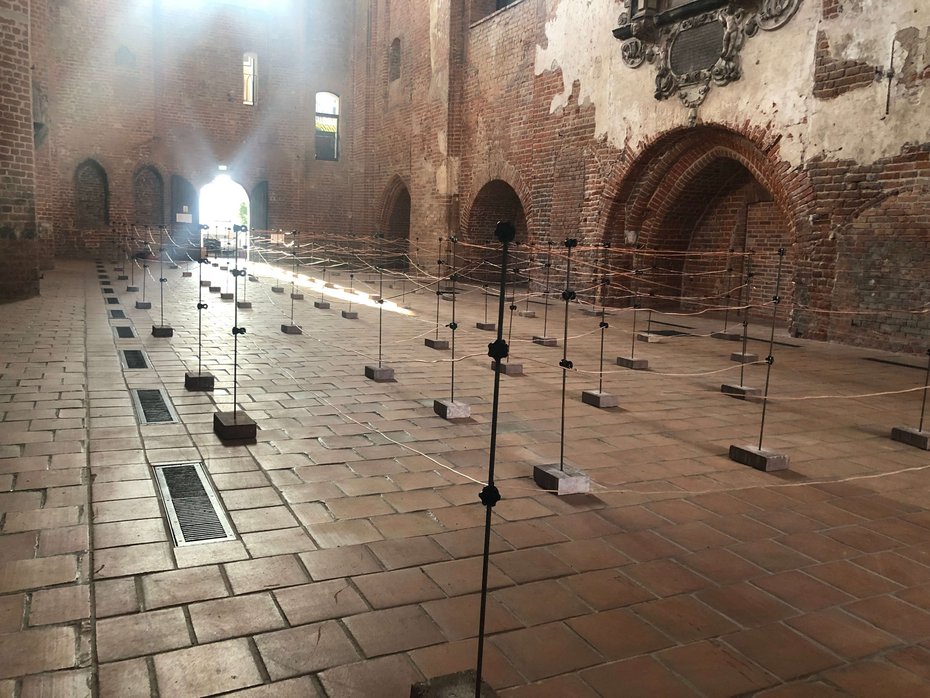
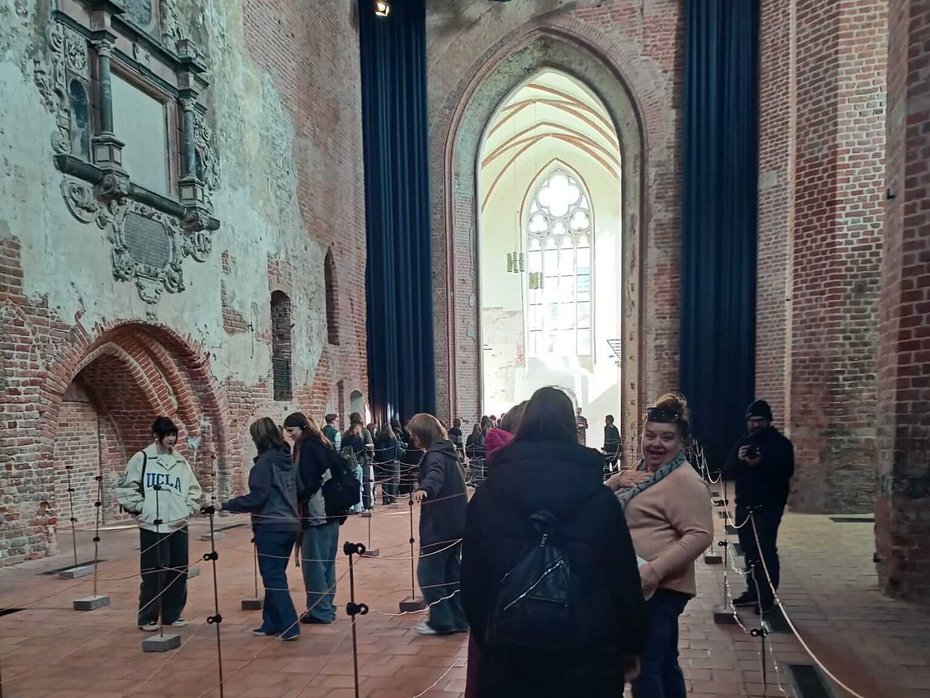
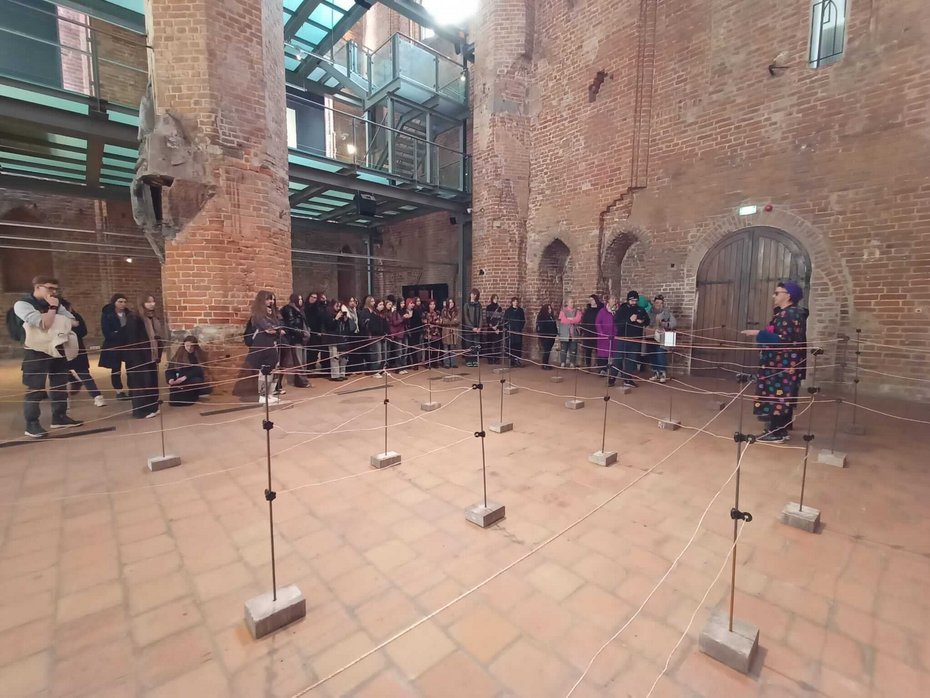
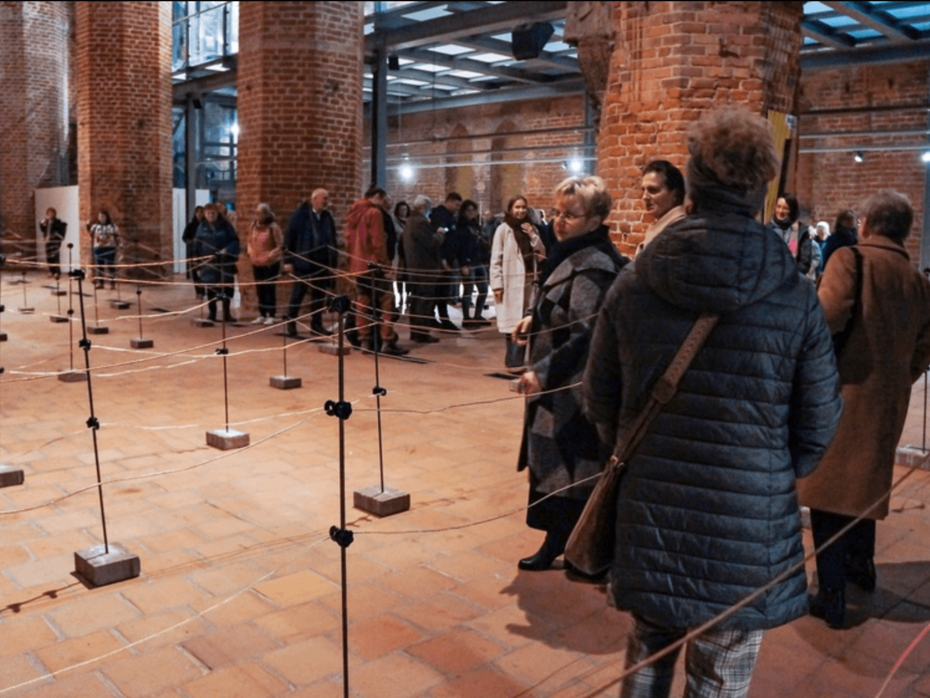
Sound was introduced through speakers and small copper coins, creating a subtle relation between electrical impulse, resonance and value. These elements activated the space through minimal gestures: vibration, contact, metallic presence and acoustic interference. The installation suggested that power does not always appear as a visible force; it often works through signals, thresholds and almost imperceptible transmissions.
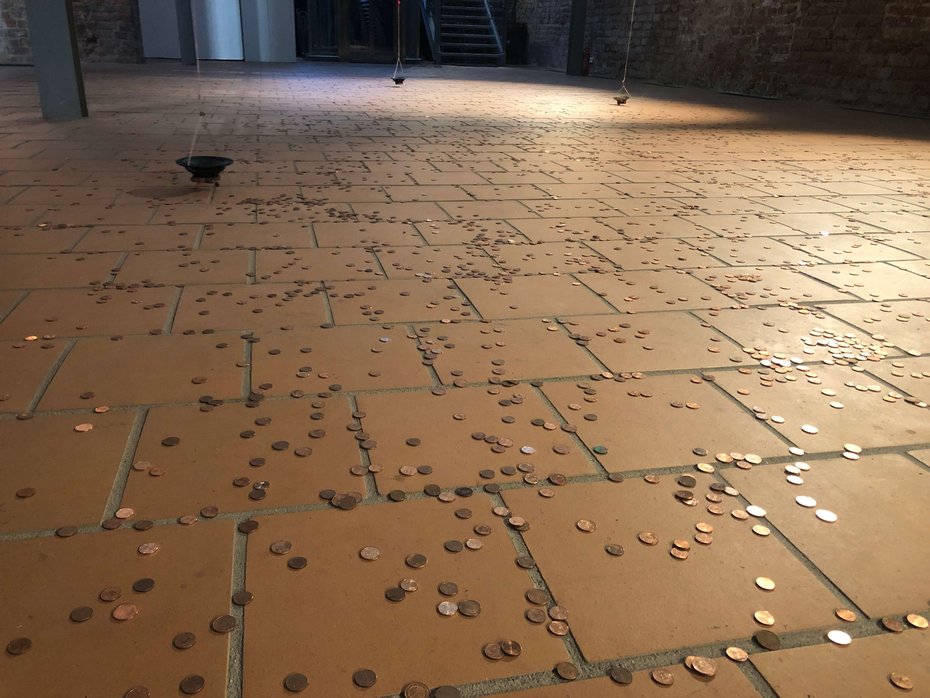
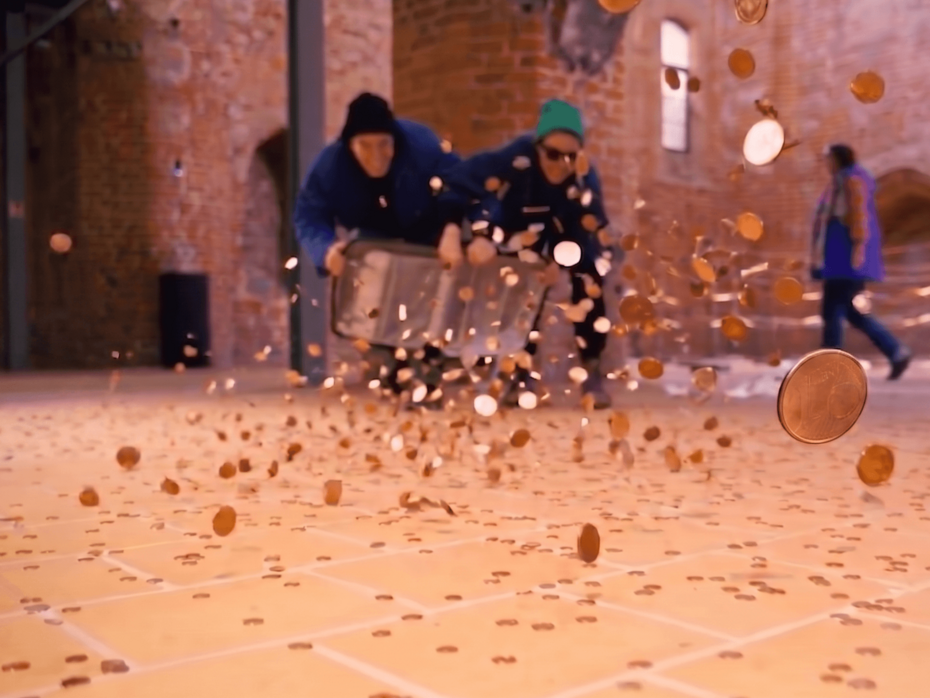
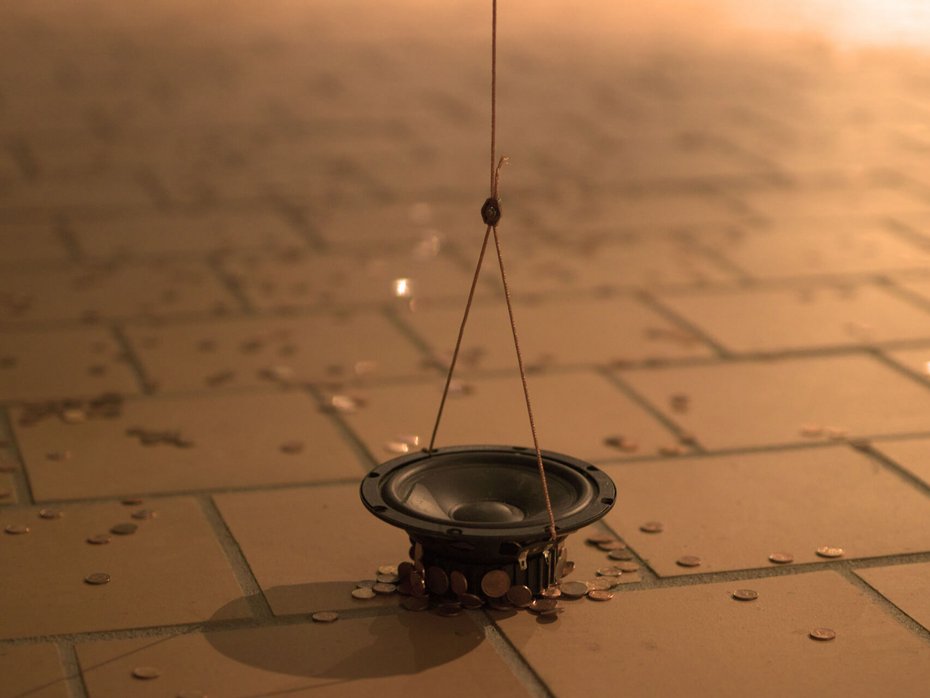
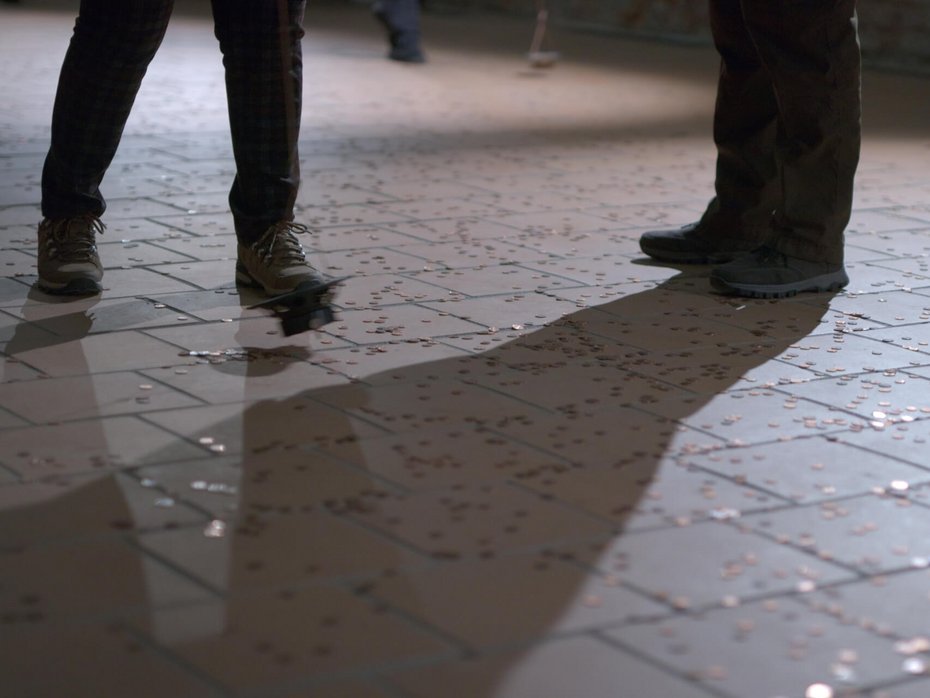
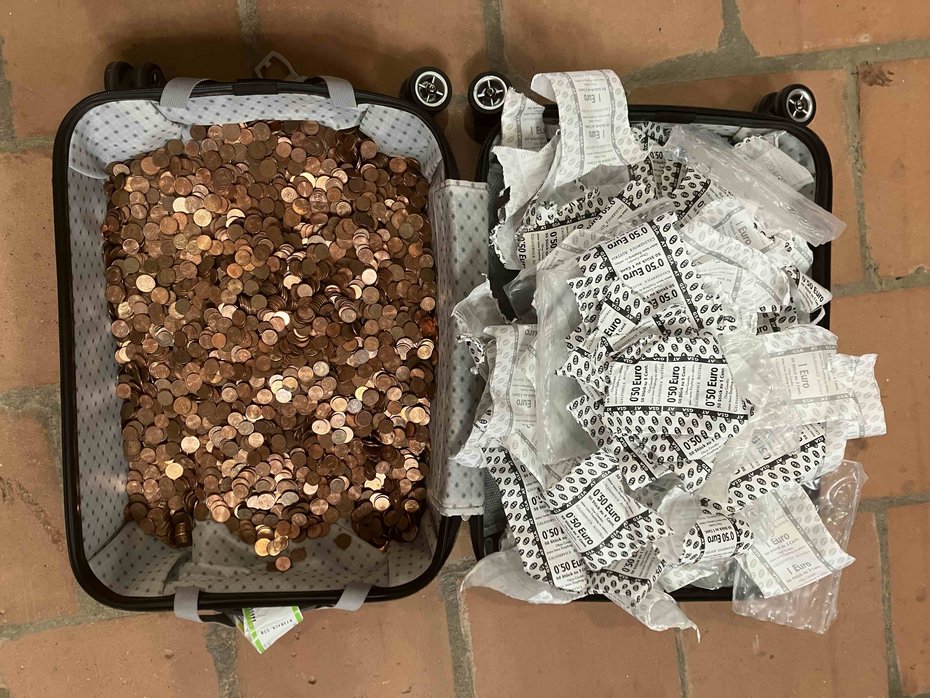
A small but significant element of the installation was the process of separating copper from a euro cent coin. The gesture exposed the material hidden beneath the surface of monetary value: a coin ceased to function as currency and became a fragment of matter, a conductor, a trace of extraction and circulation. Presented in a glass display case, the object acquired an almost archaeological presence. Isolated, illuminated and removed from everyday exchange, the cent appeared as a relic of a system in which value, material, energy and control are inseparably entangled.
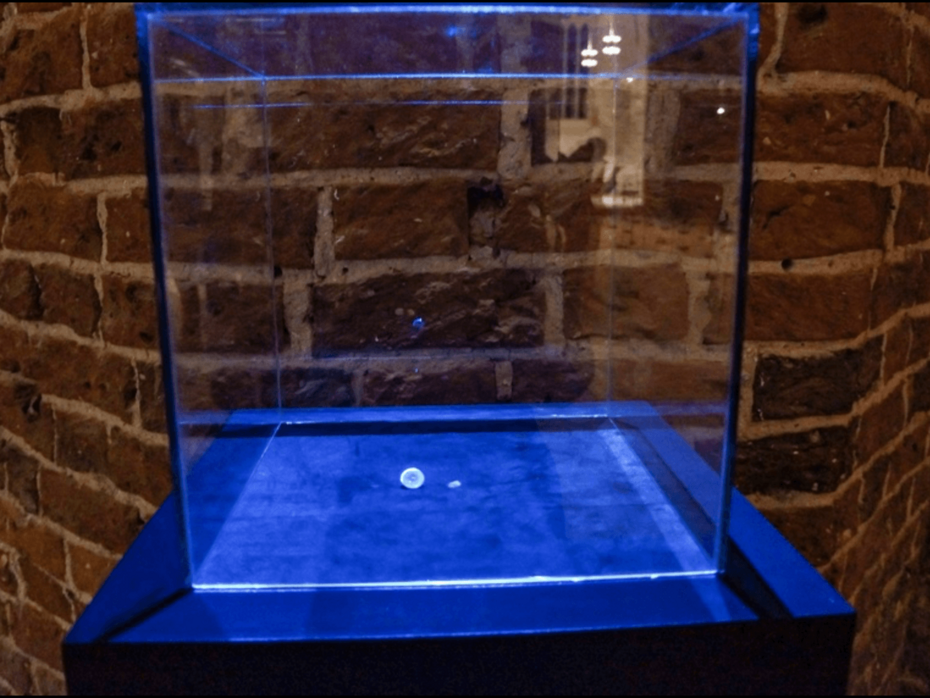
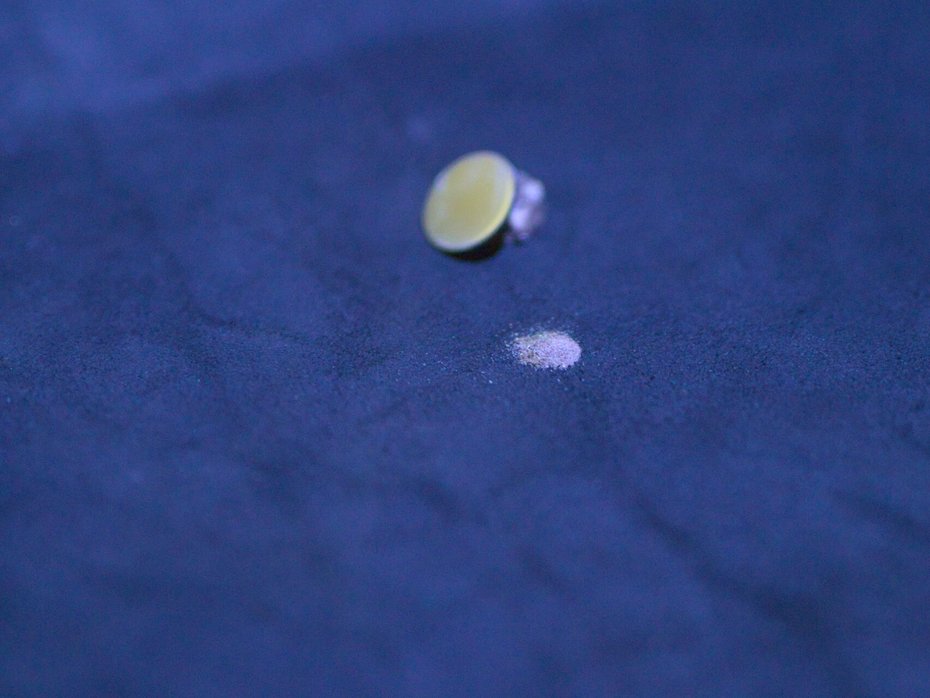

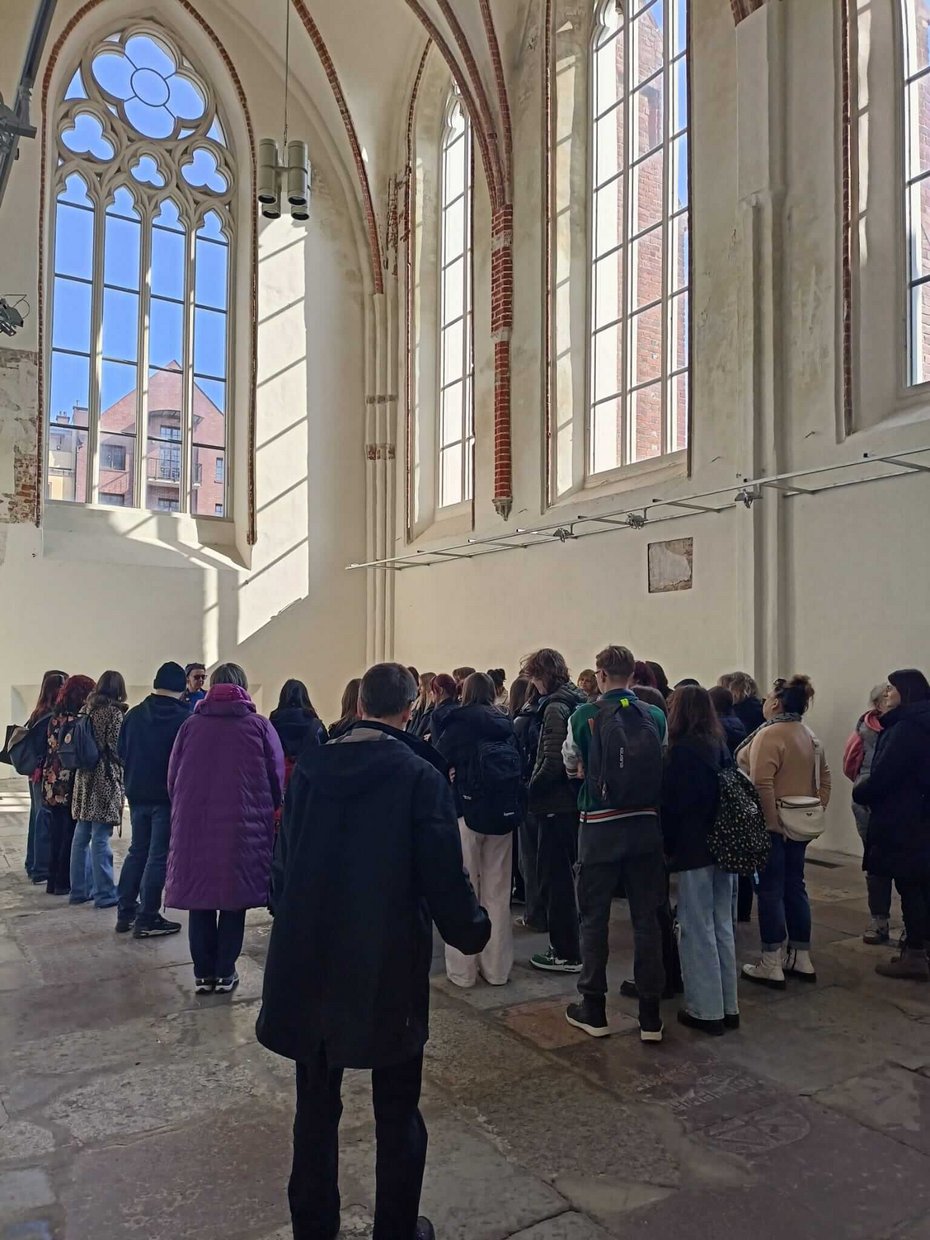
In the chapel of Galeria EL, white noise became a central acoustic element. Within this charged historical and architectural space, the sound appeared as a dense veil between silence and interference, memory and erasure, protection and disturbance. The chapel did not function as a separate scene, but as an extension of the project’s central question: how can one listen to what has been covered, absorbed or made illegible?
The project also included a series of copper objects that extended the logic of the installation into sculptural forms. They functioned as conductors, remnants and witnesses — fragments of a larger system in which material, sound and electricity became carriers of memory.
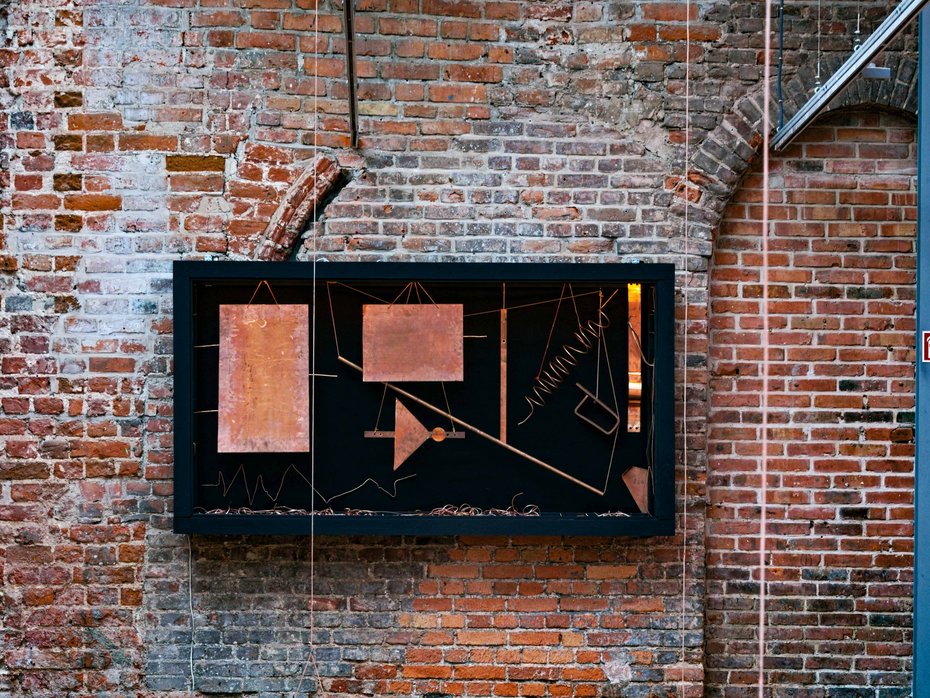
SZ ON SZUM is an artistic project by ROMB Verein developed for Galeria EL in Elbląg, Poland. The work explores the relationship between sound, electricity, memory and control, transforming the gallery space into a field of tension between what is heard, what is transmitted and what remains hidden.
The project takes noise not as a disturbance to be removed, but as a material, spatial and political condition. Noise can cover, protect, interrupt, confuse or reveal. It can be a technical signal, a social atmosphere, a trace of violence, or a form of resistance. In SZ ON SZUM, sound becomes a way of entering invisible systems: borders, impulses, prohibitions, circuits and forms of regulation that shape movement and perception.